
You’re thinking about starting a home staging business, and you want to know if it’s actually worth it.
The short answer: home staging is a rewarding career if you have a design eye, some business sense, and you don’t mind the physical work of moving furniture.
What makes staging different from other creative businesses is the math. Staged homes sell faster, and agents know it. That knowledge creates real demand for people who can transform empty rooms into spaces buyers fall in love with. Here’s what you should know about the opportunity, the costs, and what it takes to build a staging business that lasts. We’ll even look at how a home staging franchise like VELLA HAUS provides an incredible onramp to the field.
What home staging is and why it matters in today’s market
Home staging services can offer a rewarding career if you have a good eye for design, some business sense, and you don’t mind physical work. The job involves preparing homes for sale by arranging furniture, art, and accessories so buyers walk in and immediately feel something. That emotional response is the whole point. Buyers make decisions with their gut first, then justify with logic later.
But what does a stager actually do?
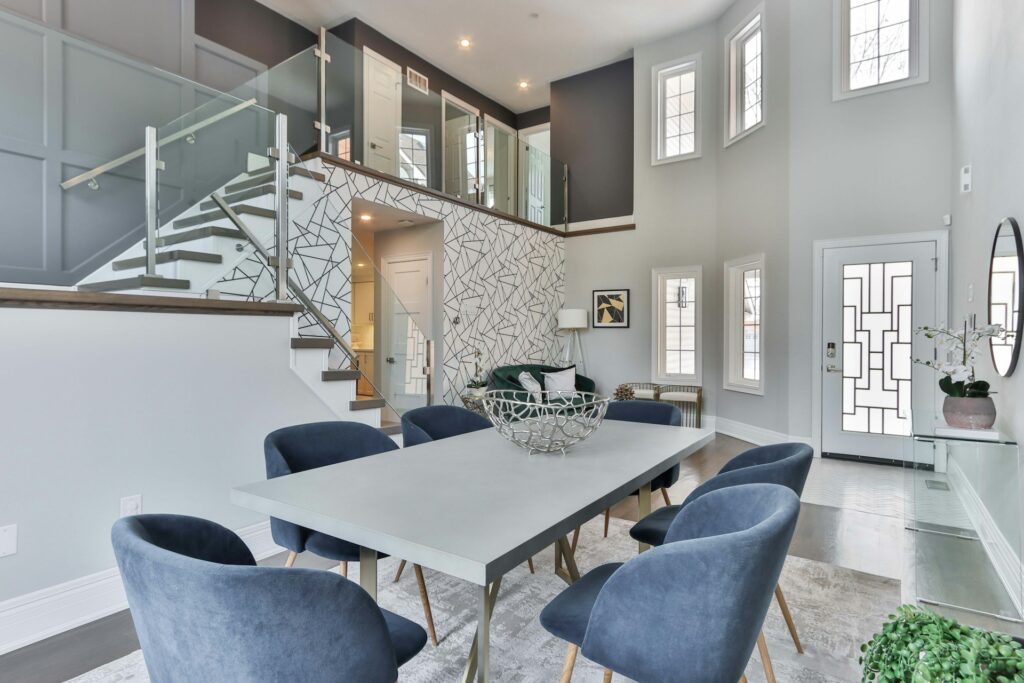
You’re selecting furniture that fits the scale of each room, choosing colors that photograph well, and placing accessories that make a space feel lived-in but not cluttered. Every piece has a job. The sofa anchors the living room. The throw pillows add warmth. The dining table suggests dinner parties and family gatherings.
Real estate agents, sellers, builders, and developers all hire home staging professionals. In most cases, the seller pays for staging, but some listing agents cover it as part of their marketing. Builders stage model units so buyers can picture what an empty new-construction home could become. The common thread? Everyone wants the property to connect with buyers quickly.
10 reasons home staging is a smart business to start
1. Rising demand from agents, sellers, and developers
Staging was once a nice extra to include. Now it’s expected. Agents recommend it because staged listings get more attention online and show better in person. Builders stage model homes as standard practice. Developers stage units in new condo buildings to help potential buyers see past bare walls and concrete floors.
This shift in demand means steady work for stagers. You’re not convincing people they want staging. You’re showing up when they’ve already decided they want it.
2. Low overhead compared to a traditional storefront
You can run a staging business from your kitchen table. There’s no retail lease, no storefront hours, no foot traffic to worry about. Your inventory lives in a warehouse or storage unit, and you only pull pieces when you have a project.
Some successful home stagers skip buying furniture entirely and rent from vendors instead. Either way, the operating costs stay low compared to businesses that require a physical location customers visit.
3. Multiple revenue streams from staging, leasing, and events
A staging business can make money in several ways, which helps when one area slows down:
- Consultation fees: You walk through a home with the seller and give recommendations they can handle themselves.
- Full staging projects: You bring in all the furniture and décor for vacant or occupied homes.
- Furniture leasing: Your pieces sit in staged homes, earning rental income until the property sells.
- Event styling: You stage open houses, model home launches, or private events for agents and developers.
Having four income sources instead of one makes the business more stable across seasons.
4. Flexible schedule and home-based setup
You pick when you work. Projects get scheduled around your life, not the other way around. There’s no commute unless you’re heading to a staging install, and you control how many projects you take on each month.
This flexibility is why staging attracts people leaving corporate jobs, parents with school-age kids, and anyone who wants to build something without giving up control of their calendar.
5. Creative work backed by a real business model
Here’s the thing about staging: it’s genuinely creative work. You’re making home decorating and design decisions, solving spatial problems, and creating rooms that feel good to walk into. Unlike purely creative pursuits, staging runs on repeatable systems.
You have contracts, pricing structures, and client management processes. The business side gives the creative side room to breathe. You’re not reinventing everything with each project.
6. Strong profit margins on every project
Most staging pros charge staging fees per room or per project, and the same furniture gets used over and over. Your gray sectional might stage six different living rooms before it shows wear. Your dining chairs move from a colonial in Newton to a condo in the Seaport to a new build in Wellesley.
Because inventory gets reused, your cost per project drops while your revenue stays consistent. The math works in your favor.
7. Year-round demand across market cycles
People buy and sell homes in every season and market condition. When the market is hot, homes move fast and agents want staging to maximize sale price. When the market cools, homes sit longer and sellers want excellent staging to stand out from competing listings.
No matter the state of the real estate industry, there’s work. The reasons change, but the demand stays.
8. A growing luxury and design-forward segment
High-end properties require elevated staging, and this segment pays premium rates. Luxury stagers work with custom furniture, curated art, and designer accessories that match the caliber of the home.
If you have a strong aesthetic point of view and an eye for quality, the luxury market is where design-minded stagers can really differentiate themselves.
9. A fast path from first project to repeat referrals
One good staging leads to another. An agent who likes your work will call you for their next listing. Then the listing after that. Then they’ll mention your name to colleagues at their brokerage.
Word-of-mouth drives the home staging industry. Building relationships with a handful of active agents can keep your calendar full without constant marketing.
10. Real estate trends that favor turnkey spaces
Buyers scroll through listing photos on their phones before they ever schedule a showing. They form opinions in seconds. A staged home photographs better, gets more clicks, and attracts more showings than an empty or cluttered one.
This shift in how people shop for homes has made professional presentation a baseline expectation. Staging isn’t a luxury anymore. It’s how homes get sold.
Skills you’ll use as a home stager

Staging draws on a mix of creative and operational abilities. On the creative side, you’re working with color, scale, proportion, and furniture placement. You’re thinking about how a room photographs and how it feels when someone walks through the door.
On the operational side, you’re managing projects with tight timelines. Furniture arrives, gets installed, and comes out when the home sells, sometimes within days. You’re coordinating with movers, communicating with agents, and keeping track of which pieces are where.
- Design eye: Selecting furniture and décor that fits each space and photographs well
- Project coordination: Managing delivery, installation, and removal schedules
- Client communication: Setting expectations with agents, sellers, and vendors
- Sales and outreach: Finding new clients and presenting your services clearly
- Financial tracking: Pricing projects, monitoring expenses, and managing cash flow
You don’t need formal training in all of this before starting. Many stagers learn through certification programs, mentorship, or simply doing the work.
How much it costs to start a home staging business
Startup costs depend on your approach. The main categories are furniture inventory, storage space, a vehicle for transport, insurance, and marketing.
Going independent keeps initial costs lower, but you’re figuring everything out yourself. Starting your business through a franchise bundles training, branding, and vendor relationships into the investment, which shortens the learning curve considerably. It also provides much-needed support and operations playbooks that can help you thrive faster.
How home stagers find and land clients
Building relationships with real estate agents
Agents are where most staging work comes from. The best way to connect with them is showing up where they already are: broker open houses, real estate networking events, and local association meetings.
The goal isn’t a hard sell. It’s building familiarity so when an agent has a listing that could use staging, your name comes to mind first.
Marketing a portfolio that sells the look
Before-and-after photos do the selling for you. A strong portfolio shows potential clients exactly what you can do, which is more persuasive than any pitch.
Professional photography matters here. The same staging looks completely different when shot on a phone versus by a real estate photographer with proper lighting. Invest in good images for your website and social media.
Referral networks and vendor partnerships
Real estate teams work with the same vendors repeatedly: photographers, cleaners, handymen, painters. Becoming part of that network means referrals flow naturally.
When a photographer finishes a shoot and the agent mentions they wish they’d staged, that photographer can recommend you. When you finish a staging and the agent needs photos, you recommend the photographer. Everyone benefits.
Certifications, licensing, and legal setup for home stagers
Most states don’t require a specific license to work as a home stager. However, you’ll typically need a general business license from your city or town. Check with your local municipality for exact requirements.
- Business license: Required in most areas; contact your local city or town office
- Staging certification: Optional but adds credibility and teaches foundational methods
- Business structure: An LLC is common for liability protection
- Contracts: Written agreements clarify scope, timeline, and payment terms
- Insurance: General liability protects against accidents; separate coverage protects your inventory
Certification programs teach staging techniques and business practices. They’re not required, but they can speed up your learning and signal professionalism to agents who don’t know your work yet.
Is home staging a good long-term career?
Home staging offers career longevity because real estate transactions happen regardless of market conditions. People always buy and sell homes. The question is whether you can build a business that captures that demand consistently.
Growth paths vary. Some stagers stay solo and keep their business intentionally small. Others build teams, add furniture leasing revenue, or expand into new markets. A franchise model offers another path, with systems and support already in place.
The stagers who sustain long-term income tend to have two things: strong relationships with active agents and a recognizable brand in their market. Design talent matters, but business development matters just as much.
Building a home staging business with VELLA HAUS
For entrepreneurs who want creative work with proven systems behind it, VELLA HAUS offers a franchise model built around luxury home staging. Alexa Centeno used her background in design and finance to build a transformational luxury service that is scalable. The program includes training at the Needham, Massachusetts headquarters, a design playbook, exclusive vendor networks, marketing assets, and ongoing coaching.
The model fits realtors, interior designers, and design-minded business owners who want to skip the trial-and-error of starting from scratch. Multiple revenue streams, including staging, furniture leasing, and event styling, are built into the business from day one.
Contact our team to learn more about the opportunity.
Frequently asked questions about starting a home staging business
How much do home stagers make per project?
Earnings vary based on project scope, market location, and whether furniture is leased or sold. Luxury staging in competitive markets commands higher fees than basic consultations in smaller towns.
Can you run a home staging business part time?
Many stagers start part-time while building their client base. The flexible schedule allows staging work to fit around other commitments until the business grows enough to go full time.
Do you need an interior design degree to become a home stager?
No degree is required. Most successful stagers develop skills through certification programs, mentorship, or hands-on experience with their first projects.
What insurance does a home staging business need?
General liability insurance protects against property damage or accidents on job sites. Separate coverage for furniture and décor inventory is also worth considering, especially as your collection grows.
Is it better to start independently or join a franchise?
Independent startups offer full control but require building everything yourself. A franchise provides brand recognition, training, vendor relationships, and ongoing support in exchange for an initial investment and royalties. The right choice depends on how much structure you want and how quickly you want to get started.

 Complete the form below and learn more about the VELLA HAUS Franchising franchise program!