
You have an eye for beautiful rooms and a business itch to match. Learning how to start a virtual home staging business is one of the most affordable ways to turn that talent into income. You furnish a listing photo from your laptop instead of a moving truck.
This guide walks through every step: building design skill, choosing software, pricing your work, and finding clients. It also answers the harder question most guides skip: does virtual staging actually sell homes, or does in-person physical staging still win? At VELLA HAUS, we stage homes for a living, so we will be honest about where each approach fits.
Key Takeaways
- Virtual home staging digitally furnishes listing photos. It is cheaper and faster than physical staging, but it sells images rather than an in-person experience.
- Demand for home staging is real. 83% of agents say staging helps buyers envision a home as their own, and 49% say it cuts market time (NAR, 2025).
- Getting started means building design skill, picking realistic software, registering the business, setting pricing, and marketing to agents, sellers, investors, and builders.
- For higher-value homes shopped in person, physical staging drives stronger connection and offers. NAR agents rate it as more important to clients than virtual.
- The most durable staging businesses combine physical staging with extra revenue streams and strong systems, which is the model behind the VELLA HAUS franchise.
What Is a Virtual Home Staging Business?
A virtual home staging business digitally adds furniture and decor to empty listing photos so a property looks warm and move-in ready online. In plain terms, you sell marketing images to real estate agents and sellers for their online listings. The work happens on a screen using staging software, and the finished photos go straight into listings and ads.
Physical staging works differently. It places real furniture and decor inside the home so buyers can walk through and feel the space in person. Virtual staging is one useful tool for presenting a property, not the whole job, and that difference matters most for higher-value homes.
Both approaches have a place, and the right choice depends on the property and the buyer. For a deeper look at the tradeoffs, read our guide on physical versus virtual staging.
Is a Virtual Home Staging Business Worth Starting?
A virtual home staging business could be worth starting, as staging measurably helps homes sell and demand for it stays steady. According to the NAR 2025 staging report, a majority (83%) of home buyers’ real estate agents said staging a home made it easier for a buyer to envision the property as their future home.
Staging also tends to speed up sales. NAR reported that almost half (49%) of home sellers’ agents observed that home staging reduced the time homes spent on the market. When photos help buyers connect quickly, listings move, and agents keep coming back for more.
The barrier to entry is low. You mainly need design skill and staging software, so your startup costs stay small compared with a furniture-based operation.
That low barrier is also the catch. Many people can start, which makes strong design work and a clear niche the things that set you apart. Treating home staging as a business rather than a side hobby is what separates owners who last from those who fade.
How to Start a Virtual Home Staging Business Step by Step
You do not need a design degree or a warehouse to begin. You do need a simple plan and the discipline to treat this like a real company from day one.
These five steps show how to start a virtual home staging business, taking you from raw talent to paying clients. Work through them in order, since each one builds on the last.
Step 1: Learn Staging and Design Fundamentals
Great staging starts with your eye for design. The software only places what a trained eye already sees. You need to understand scale and proportion, so a sofa stays the right size for its room. Frankly, physical staging will give you a sense of fit and dimension more than forcing impractical pieces into a digital representation of the room.
You also need to know how buyers respond emotionally. A space that feels calm and inviting earns stronger offers than one that only looks full.
Study color and lighting. Learn how furniture should flow through a room so a buyer’s eye moves naturally from the entry to the focal point.
Practice on empty photos until your rooms look natural rather than pasted together. Taste is the part software cannot fake, and it is the reason two stagers using the same tool can produce very different results.
“Software can place a sofa, but it cannot supply taste,” says Alexa Centeno, VELLA HAUS founder. “Scale and light are what turn a photo into an offer.”
Step 2: Choose Your Virtual Staging Software and Tools
Virtual staging tools come in a few forms. Some are AI apps that furnish a room in seconds, while others are DIY drag-and-drop programs that give you more control.
Pro rendering services do the work for you at a higher price. Try a few options and pick the one that fits your budget and skill level.
When you compare tools, look closely at realism. Good software gets shadows, reflections, proportions, and scale right, so the furniture feels like it belongs (and is) in the room. Cheap tools often float a rug above the floor or cast a shadow the wrong way, and buyers notice.
You will also need high-resolution photos to start with, because virtual staging won’t fix a blurry or badly lit image. Ask agents to send the largest files their photographer took, and stick to consistent angles so a room reads the same across a listing.
Step 3: Register and Set Up the Business
Choose a business structure first. Many stagers start as a sole proprietor or form an LLC (a limited liability company), which helps separate your personal money from business risk. Next, get an Employer Identification Number (EIN) from the IRS, a free tax ID that lets you open accounts and file taxes as a business.
License rules vary by location, and some cities require a general business license or registration. Check with your local city or town before you launch.
Open a separate business bank account to keep your finances clean. Ask an insurance agent about liability coverage so you are protected if a client dispute comes up. With those pieces in place, you are ready to take on your first clients.
Step 4: Set Pricing and Understand Your Costs
Most virtual stagers charge per photo or sell packages of images at a bundled rate. Packages work well for agents who list often and want a predictable cost.
Per-photo virtual staging pricing can range from $20 to $50 each, according to HomeLight. Set your rates to reflect your quality and turnaround time.
It helps to anchor your value against physical staging. NAR reported that the median cost for using a staging service was $1,500, compared with $500 when the home sellers’ agent handled the staging themselves.
Virtual staging costs a fraction of that, which is a strong selling point for budget-conscious clients. Price for profit by tracking your time per image and setting rates that cover your software and your time, with margin on top.
Step 5: Build a Portfolio and Find Clients
Your portfolio is your storefront. Collect strong before-and-after images that show empty rooms transformed into warm, believable spaces. A handful of excellent examples beats a long list of average ones.
From there, market to the people who buy staging: real estate agents, sellers, investors, and builders. Referrals and social media bring steady work, and a simple website with local search terms helps clients find you.
Picking a niche speeds things up. You might focus on vacant condos or new construction, building a reputation with the listing agents in one ZIP code. A tight focus makes your marketing sharper and your portfolio more convincing.
One ethical rule matters here. Always label virtual images as digitally staged, so buyers are never misled about what is real.
Virtual vs. Physical Staging: Which Actually Sells Homes?
Virtual staging wins on cost and speed. Physical staging wins on emotion and the in-person experience, which is what closes higher-value deals. Both matter, but the honest answer is that they serve different jobs.
The data backs this up. NAR found that nearly three out of 10 (29%) real estate agents reported that staging their sellers’ homes led to a 1% to 10% increase in the dollar value offered.
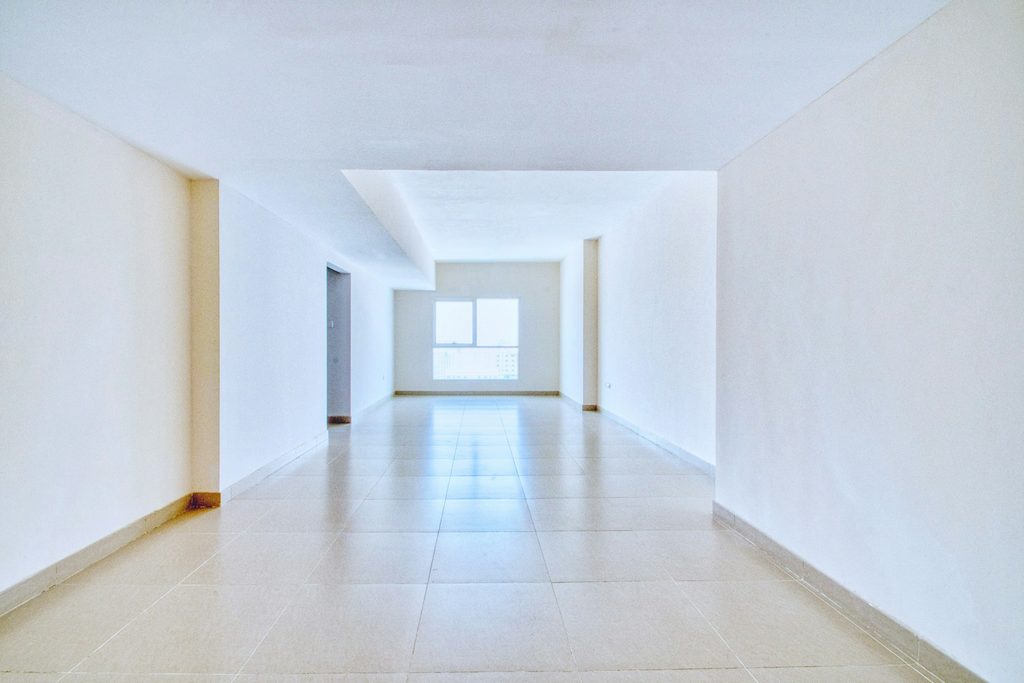
That lift comes from buyers connecting with a space they can feel. On preference, 34% of home sellers’ agents considered virtual staging to be less important, per NAR, while physical staging ranked higher with buyers’ agents.
“For a luxury home, nothing beats walking into a space that already feels like home,” Centeno says. “Photos open the door, but the in-person moment drives the offer.”
| Factor | Virtual Staging | Physical Staging |
| Cost | Roughly $20 to $50 per photo (HomeLight) | Median $1,500 per staging service (NAR 2025) |
| Turnaround | Often 24 to 48 hours | Days to set up, then time on site |
| Buyer experience | Photos on a screen | A full walk-through in person |
| Best for | Fast online listings and vacant properties | Higher-value homes shopped in person |
For homes where buyers show up and imagine their lives inside, physical staging does the heavy lifting. That is the work behind our professional home staging services. It is why we treat virtual staging as a helpful occasional complement rather than a replacement.
Building a Staging Business That Lasts (Beyond the Software)
A virtual staging business can start lean, but the ones that last rarely stay virtual only. They add physical staging for higher-value listings and build more than one way to earn. Multiple revenue streams smooth out slow months and raise the ceiling on what you can make.
Furniture is the biggest reason many stagers hesitate to go physical, since buying and storing it costs money. For scale, the VELLA HAUS 2026 Franchise Disclosure Document (FDD) budgets about $27,000 in initial inventory to stage one complete home.
One answer is furniture leasing options, which let you access quality inventory without owning every piece outright. Event styling is another stream that uses the same design skill you already have.
Systems and training shorten the ramp. A proven playbook gets you to paying clients faster than learning pricing and vendor relationships by trial and error. That is the point of strong franchise training and support.
VELLA HAUS trains home staging franchise owners at our Needham, Massachusetts headquarters. Owners also get a design playbook and vendor network, so early jobs look polished instead of experimental.
How much does a home staging franchise cost?
The numbers behind a franchise matter. The VELLA HAUS 2026 Franchise Disclosure Document (FDD) lists a total initial investment of $171,300 to $261,800 and a $50,000 initial franchise fee. That same document also sets the royalty at 7% of gross revenues.
Frequently Asked Questions
How much does it cost to start a virtual home staging business?
Startup costs stay low, since your main costs are staging software and a capable computer. That is far less than a physical operation, which needs furniture and the space to store it.
Do you need a license to start a home staging business?
Most areas do not require a special staging license, but you usually need a basic business license or registration, and rules vary by location. Check with your local city or town before you start.
Is virtual staging better than physical staging?
Virtual staging may be cheaper and faster, but physical staging tends to create a stronger emotional connection for buyers who tour a home in person. For higher-value homes, NAR data shows agents rate physical staging as more important to clients than virtual.
How do virtual home stagers find clients?
Virtual home stagers find clients by building a before-and-after portfolio and marketing to agents, sellers, investors, and builders through referrals and social media. Consistent networking with local agents tends to bring the steadiest repeat work.
Start Your Home Staging Business the Right Way
Learning how to start a virtual home staging business is a smart first move, but the strongest owners do not stop there. They build real design skill and add physical staging for the higher-value homes where it drives faster sales and stronger offers. Many also grow revenue through services like furniture leasing and event styling, which turns a fragile side hustle into a durable business.
If you want a proven system behind you, the VELLA HAUS franchise offers training and vendor networks, plus field support and coaching. You spend less time guessing and more time designing.
You can learn how we built this brand in the VELLA HAUS story. Ready to plan your next step? Reach out to download our FREE eBrochure.


 Complete the form below and learn more about the VELLA HAUS Franchising franchise program!